Amanda Hilton: ewg
Showing posts with label ewg. Show all posts

An Organic Apple A Day...

Amanda Hilton

April 25, 2022

Have you ever heard the saying “an apple a day keeps the doctor away”? Well, not if they are conventionally grown… nearly half of the synthetic chemicals found in conventionally grown apples are either neurotoxic or carcinogenic. I think it is about time to change that old saying to “an organic apple a day…”.

Dirty Dozen
Conventionally grown apples appear as number five on the EWG (Environmental Working Group) Dirty Dozen list. This is a list that ranks twelve of the most heavily contaminated conventionally grown fruits and vegetables according to the amount of synthetic chemicals found in them. For a complete list of the EWG’s Dirty Dozen, check out my previous post, The Low-Down on Organic

Apples are sprayed with chemicals to keep pests away and since one of the most nutritious parts of the apple is the skin, eating organic apples helps keep those chemicals out of our bodies. If you do eat conventional, I recommend washing and peeling the apple first but know that you are missing out on the beneficial fibre when discarding the skin.

Nutritional Highlights
Apples are full of nutrients. They contain fibre, vitamin C, vitamin A and some B vitamins. There are also many minerals in apples; potassium, calcium, magnesium, phosphorus, and iron. Even if they haven’t actually been proven to keep the doctor away, apples are a fantastic nutrient dense food to add to your daily diet.

The Apple Orchard
Every year, in September, we visit the apple orchard to stock up on apples. Apples go very quickly in our house. One of the things the kids love best about going to the orchard is sampling the different kinds of apples. Did you know, there are over 7000 varieties of apples?! A few years ago we stumbled on one of our new favourites, the Silken apple (sadly, we can only seem to find it at the orchard so we don’t get to enjoy them year round). Do a bit of research and see if there are any organic apple orchards in your area. You may have to dig a bit deeper and make some phone calls. Some orchards might grow using organic methods but are not certified organic because of the hefty price tag that comes with certification. 

Recipe
Apples are so easy to grab when on the go, can quickly be cut into slices for little ones and taste amazing with nut butters. I will often dice apples to add to my oatmeal or to put in a salad. If I have a lot of apples or some with lots of bruises, I make applesauce with just cooked apples and cinnamon (I don’t add sugar because we find the apples sweet enough).

The kids and I love to make apple “donuts” together as a healthy snack. It is a great way to get the kids to help out and to give them control over adding healthy snack options to their diets.

Apple Donuts
*Apples, sliced into ½” thick rounds
*Nut butter, yoghurt or fruit preserve
*Topping of your choice
       _- We use: raw sunflower seeds, pepitas, unsweetened shredded coconut, Enjoy Life mini chocolate chips, chopped walnuts, blueberries, raisins, chia seeds, or anything else we can find that will add yumminess to our donuts. 

1. Cut a circle in the middle of the apple slices, removing the seeds.
2. Spread “icing” of choice (nut butter, yoghurt, fruit preserve) on one side of each apple round.
3. Top with your favourite toppings.

Enjoy!

Let me know if you try this delicious snack and if you’ve tried any other topping or spreads. I’m always willing to try new flavours!

If you are looking to add more healthy snacks and meals to your diet, send me a message, I would love to connect and set up a consultation to help you reach your health goals! services@amandahilton.ca


Fuzzless Peaches and Fuzzy Nectarines

Amanda Hilton


April 19, 2022

Each year the EWG (Environmental Working Group) releases their Dirty Dozen list. This is a list of 12 fruits and vegetables that have the highest concentration of synthetic chemicals due to conventional growing practices. Check out my previous post for the full list at www.amandahilton.ca


Numbers Four and Eight 


Number four on the Dirty Dozen list is nectarines and number eight is peaches. I’m going to combine these two tasty fruits into one blog post because they are very closely related and can often be used interchangeably. Nectarines are fuzzless peaches, or peaches are fuzzy nectarines, they are the same species and occasionally, peach trees may produce nectarines and vice versa. 


Conventionally Grown


Both nectarines and peaches have a sweet flavour and scent. This makes them irresistible to insects. Conventionally grown, these fruits are heavily sprayed with pesticides, fungicides, and herbicides. They are also often sprayed after being packed into boxes for shipping. Some peaches are picked before they are even ripe and are placed in shipping fridges to make them last longer. This is why you can find still-hard peaches at the grocery store that may never ripen. These fruits have a delicate skin which bruises easily and is very absorptive, so they tend to retain the synthetic chemicals used during conventional growing. 


Nutritional Highlights 


Peaches and nectarines are both good sources of vitamins, minerals, antioxidants, and fiber. They are delicious fresh or cooked and are best when purchased tree-ripened in the summer months. 


Local Peaches


Each year, where we live, we have a local peach festival and one of the main attractions is the peach sundae. This is vanilla ice cream topped with whipped cream and sliced local peaches. It is divine! Due to food intolerances, we can no longer enjoy this once-a-year treat, so we purchase some local organic peaches and make our own dairy free version with coconut or cashew ice cream. It is just as good, if not better since I know we aren’t going to have upset digestive systems afterwards or be bogged down with synthetic chemicals. 


Recipe


Peaches-n-cream oatmeal

⅓ cup gluten free steel cut oats 

1 medium ripe banana, mashed

½ cup dairy-free milk (I use unsweetened almond milk)


1 organic peach, diced

Coconut yogurt


In a small saucepan, combine the oats, mashed banana and milk. Simmer over medium heat, stirring occasionally, until the milk has been absorbed and the oats are soft (about 10-12 min). Spoon into a bowl and top with diced peaches and a dollop of coconut yogurt. 


Counting Down the Dirty Dozen


So far I’ve reviewed the first four items plus number eight of the EWG’s Dirty Dozen list. Check out my previous posts if you missed numbers one to three www.amandahilton.ca. Continue following along as I go through the remaining seven fruits and vegetables and hopefully you get some insight as to why these 12 chemical laden conventionally grown fruits and veggies might be better for you when bought organic. Send me a message at services@amandahilton.ca if you would like to learn more ways to add organic produce to your diet. I would love to set up a consultation to discuss your health goals! 


Got Kale? Try This Organic Superfood

Got Kale? Try This Organic Superfood

Amanda Hilton

March 30, 2022
(updated September 6, 2023)

Let's talk about Kale, Collards and Mustard Greens, third on the EWG’s 2023 Dirty Dozen list. If you aren’t familiar with the Dirty Dozen list, check out my previous blog, The Low Down on Organic for more info. 

Nutritional Highlights

Dark leafy greens are probably the richest in nutrients of any food in the vegetable kingdom. The greener the better. These veggies are high in vitamins A and C as well as magnesium, potassium and calcium (kale has even more calcium than a glass of milk!). They are also abundant in folic acid, which helps make healthy red blood cells.

Most dark green, leafy veggies, will take nitrogen from the soil into its tissues. In excess (as you find in chemical fertilizers), these compounds can form carcinogenic (cancer-forming) nitrosamines in the intestines. Under organic cultivation, the soil is fertilized with compost rather than flooded with chemical nitrogen. Compost is buffered by the action of microorganisms and delivers only the amount of nitrogen the plants need for their health. Chemicals are also sprayed on leafy green vegetables and tend to remain there even after harvest. Because we consume the leafy part, this can be even more of a concern and reason to switch to organic.

Leafy Greens

Mustard greens are a great addition to a salad, soup, or stir-fry. And big collard leaves are great as wraps filled with hummus and veggies, or beans, rice and veggies. My favourite out of the three powerhouse greens is, kale. We always have kale in our fridge and we even grow it in our garden during the summer (very easy to grow even without a green thumb!). You can add kale to just about anything… soups, salads, rice dishes, stir-fry, pizza, noodles, pasta… the list goes on. My favourite way to incorporate its goodness, along with other amazing nutrient-rich foods, is in a Kale and Cabbage Salad.

Recipe

Kale and Cabbage Salad

4 cups chopped kale
2 tbsp olive oil
1 cup shredded red cabbage
½ cup shredded carrots
¼ cup raw sunflower seeds
¼ cup hemp hearts

Dressing:
¼ cup flax oil or olive oil
2 tbsp fresh squeezed lemon juice
2 tbsp apple cider vinegar
1 clove garlic, minced
1 tbsp tamari sauce (gluten free soy sauce)
2 tsp dijon mustard
½ tsp Herbamare

Drizzle kale with olive oil and massage for 5 min.
Add remaining ingredients and top with dressing mix.
Enjoy!

Kale, Collards, and Mustard Greens are number three on the EWG's Dirty Dozen list, follow along with my blog as I chat about the other 11 fruits and veggies that contain high amounts of synthetic chemicals. Also, check out my Instagram page @amandahiltonrhn for posts about our local organic community food share and for healthy organic meal ideas. Shoot me a message services@amandahilton.ca if you would like to learn more ways to add organic vegetables to your diet.  


Orgainc Spinach - A Green Superfood!

Organic Spinach - A Green Superfood!

Amanda Hilton

March 17, 2022
(updated September 6, 2023)

Each year, the EWG (Environmental Working Group), produces a list of 12 fruits and vegetables (The Dirty Dozen) with the highest concentration of chemicals when grown conventionally, meaning with use of synthetic chemicals or GMO’s (genetically modified organisms). It can be difficult to digest the copious amounts of information out there about choosing organic foods and with the cost of groceries steadily rising, choosing organic can get expensive. As a nutritionist, I generally recommend, when my clients are trying to make the switch to healthier, more nutritious foods, that they start by purchasing the Dirty Dozen organic. A small step like this can have a big impact on a person’s health while still being gentle on the pocket. See my previous post The Low-Down on Organic for the full 2023 list of Dirty Dozen fruits and veggies.

Spinach

After strawberries, the second most contaminated member of the EWG’s Dirty Dozen is Spinach. This leafy green vegetable is known as a heavy feeder - it absorbs an excessive amount of whatever is in the soil - whether it be nutrients or synthetic chemicals from pesticides and fertilizers. This is a great quality, if the spinach is grown in organic soil. The quick growing plant will be full of all the necessary minerals, making it a mega nutritious food. Grown conventionally, the spinach will leach chemicals from the soil and since pesticides are sprayed on the leafy part of the plant, which is what we consume, it has the potential to be even more harmful.

Grow Your Own

Growing your own vegetables is always a great way to cut down on the cost of groceries and to ensure you are getting the maximum amount of nutrients from organic soil without the use of synthetic chemical fertilizers or pesticides. Spinach is fairly easy to grow and it grows quickly during warmer months. If space is an issue, spinach can be grown in a pot and still thrive.

Nutritional Highlights

Spinach truly is a “superfood”. This dark leafy green vegetable has an astonishing amount of minerals (like magnesium, calcium, and potassium), vitamins (such as vitamins A, B6, and C) and fiber. Spinach is also rich in iron and Vitamin K, which helps direct calcium to your bones. Adding this superfood to your diet each day can have a great impact on your overall health.

Recipe

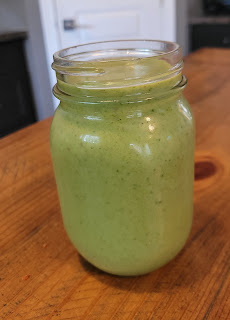
I pretty much throw spinach in everything. I put it on our diy pizzas, in soups, curry, salads, you name it. One of the quickest and easiest ways I get my daily greens intake is my morning smoothie.

2 good-sized handfuls of spinach
1 banana
1 cup unsweetened dairy-free milk
½-1 scoop Vega vanilla protein powder
1 tbsp flaxseed
A few ice cubes

Blend and enjoy!

Dirty Dozen

Spinach is number two on the EWG's Dirty Dozen list, follow along with my blog as I chat about the other 111 fruits and veggies that contain high amounts of synthetic chemicals. Also, check out my Instagram page @amandahiltonrhn for posts about our local organic community food share and for healthy organic meal ideas.


Organic Strawberries vs. Conventionally Grown Strawberries

Dirty Dozen #1: Strawberries

Amanda Hilton

March 19, 2022
(updated September 6, 2023)

Each year, the EWG (Environmental Working Group), produces a list of 12 fruits and vegetables (The Dirty Dozen) that contain the highest concentration of chemicals when grown conventionally, meaning with use of synthetic chemicals or GMO’s (genetically modified organisms). It can be difficult to digest the copious amounts of information out there about choosing organic foods and with the cost of groceries steadily rising, choosing organic can get expensive. As a nutritionist, I generally recommend when my clients are trying to make the switch to healthier, more nutritious foods, that they start by purchasing organic produce from the Dirty Dozen list. A small step like this can have a big impact on a person’s health while still being gentle on their pockets. See my previous post The Low Down on Organic for the full 2023 list of the Dirty Dozen.

Chemicals

The first item on the 2023 Dirty Dozen list is strawberries. These deliciously sweet berries grow close to the soil and their sweetness is very attractive to pests so it is clear why this berry usually pulls in at number one on the list, year after year. Large amounts of pesticides are used on conventionally grown strawberries to keep bugs away from spoiling the fruit. Because strawberries grow so close to the ground, there are plenty of pests with easy access and the berries will basically sit in the soil marinating in chemicals while they ripen.

If you like to snack on these berries all year round then you may be taking in even more chemicals. Large companies that grow conventional strawberries that are being shipped internationally, will use more chemicals so that customers don’t receive a container of smooshed or unripe strawberries that will be difficult to sell. Choosing to pick strawberries locally can be a better option since an extra dose of chemicals is not needed for shipping and the fruit is often tastier as they are picked at their ripest.

Top Dollar

Recently, I have switched from buying “fresh” organic strawberries to purchasing them frozen. At a whopping $10 for a container that my family of six will go through easily in 2 days, it just wasn’t feasible. For now, I’ll buy an extra large Costco size bag of organic frozen strawberry slices that the kids love cause they taste like “candy”. Frozen berries are picked when they are ripe and juicy, then flash frozen to retain their nutrients. In June, strawberry season, the kids and I will make a day of hitting the strawberry fields and picking a bunch to wash and freeze for the next off-season strawberry inflation.

Nutritional Highlights

Not only are strawberries super tasty and sweet but they have an added boost of fiber and vitamin C. Dietary fiber can aid with digestion and prevent constipation while vitamin C supports the immune system helping to prevent common cold and flu.

Recipe

Our children will eat strawberries fresh or frozen just the way they are, but another way they like to indulge on these sweet berries is with some Berry "Nice" Cream:

1 cup frozen strawberries
1 banana, frozen

Combine in a blender until smooth and creamy.
Divide into dessert bowls and add delicious toppings (unsweetened shredded coconut, dairy-free mini chocolate chips, chopped walnuts, drizzled almond butter - these are just a few of our favs)

Enjoy!

Dirty Dozen

Strawberries are number one on the EWG's Dirty Dozen list, follow along with my blog as I chat about the other 11 fruits and veggies that contain high amounts of synthetic chemicals. Also, check out my Instagram page @amandahiltonrhn for posts about our local organic community food share and for healthy organic meal ideas.


The Low-Down on Organic


The Low-Down on Organic

Amanda Hilton

March 11, 2022
(updated September 6, 2023)

Anyone who has stepped foot in a supermarket knows that organic foods are becoming more readily available for consumer purchase. But many consumers are still unsure of the organic movement and whether it’s really worth the extra cost in the long run. After doing a slew of research myself, I chose to switch my family to a mainly organic diet 5 years ago. I’m not going to lecture you on all the horrible results I discovered about pesticides, herbicides, hormones, chemicals and antibiotics because frankly we all know how bad they are. My hope is to provide you with some info about how you too can make the switch to choosing more organic foods so that your family can get the most benefit out of what they eat.

EWG list

Each year the Environmental Working Group (EWG) creates a list of the twelve dirtiest foods and the cleanest fifteen. The “Dirty Dozen” are the twelve foods with the highest amount of pesticide residue and the “Clean Fifteen” have the least amount of pesticides (these are often foods with an outer skin that is removed before eating). Since the cost of organic produce can often be more expensive than conventional produce, a great way to start your journey to reduce chemical consumption is to buy only the Dirty Dozen organic and the Clean Fifteen conventional. The EWG list for 2023 is: (drum roll please!)

Dirty Dozen                                                            Clean Fifteen

1. Strawberries                                                              1. Avocados

2. Spinach                                                                      2. Sweet Corn

3. Kale, collard and mustard greens                        3. Pineapple

4. Peaches                                                                      4. Onions

5. Pears                                                                           5. Papaya

6. Nectarines                                                                 6. Sweet Peas, frozen

7. Apples                                                                        7. Asparagus

8. Grapes                                                                       8. Honeydew melon

9. Bell & hot peppers                                                   9. Kiwi

10. Cherries                                                                  10. Cabbage

11. Blueberries                                                              11. Mushrooms

12. Green beans                                                            12. Mangos

                                                                                         13. Sweet Potatoes

                                                                                  14. Watermelon 

                                                                                  15. Carrots  


Grow Your Own

If the cost of organic produce just blows your mind, you could try growing your own fruits and veggies. Setting up a small garden in your backyard or at a local community garden and planting organic seeds in organic soil is a great way to cut down on the cost of eating clean. If you are having a hard time finding a source for purchasing organic seeds, Seeds of Diversity Canada www.seeds.ca has a resource list that contains a long list of mail order sources of heritage and organic seeds. If you're thinking, “I don’t have a clue about planting vegetables'', put your worries to rest, most seed packets come with planting directions printed on the package back, detailing best planting dates, the depth at which to bury the seeds, and the number of days from planting to first harvest. Keep in mind that your garden is similar to having children, you can’t just leave it to fend for itself and expect it to grow in abundance. Gardens need tender loving care. Daily watering and grooming are essential but all the hard work will pay off with the fruits of your labour.

Local CSA

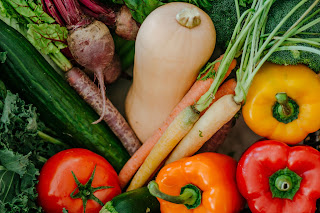
If you are already writing off the idea of having an organic garden, because you are lacking the space or a green thumb, no worries, there are many Community Shared Agriculture (CSA) associations that offer organic produce at a great cost. Not only will you be supporting local farmers who strive to grow organic only, but you will be benefiting your family’s health too. As a Nutritionist and someone who loves trying new recipes, what I like about getting my CSA food share each week is the variety. Sometimes we get new foods that we haven’t tried (like when we got the yellow watermelon that my daughter fell in love with) or foods that we should be eating more of because of their health benefits but I would forget to buy at the grocery store since it wasn’t on my menu list (hello beets!! They make the best juice!). A quick google search will bring up your local CSA directory and you can choose which one best suits your family.

Animals Are People Too

If there is only one thing you are prepared to do to make the move to organic, it should be to consume organic animal products. Not only will you help your family to avoid nasty antibiotics and hormones that are sometimes added to animal products but, organic regulations have standards for animal care. Organic eggs come from chickens who are fed a diet of organic chicken feed without other animal by-products, are free-range (have access to the outdoors), and are not given antibiotics. Organic cattle are also prohibited from antibiotics and hormones as preventative treatment and are not permitted animal by-products in their feed, 30% of their dry matter feed comes from pasture grazing. Yes, organic milk, eggs, cheese and meat are more expensive to purchase but this is because it also costs the farmers more to care for and feed their animals. To save a bit of money while still adhering to an organic diet, you could try going meatless several times a week.

Although eating organic can cost a bit more, it can profoundly affect your long-term health. I always recommend that infants consume organic baby foods as they are more sensitive to pesticides because they have immature nervous and immune systems. If you need help transitioning to a clean organic diet for you and your family, send me a message at services@amandahilton.ca to set up a consultation so I can help you reach your health goals. Also, check out my posts showing our bountiful CSA weekly share @amandahiltonrhn.